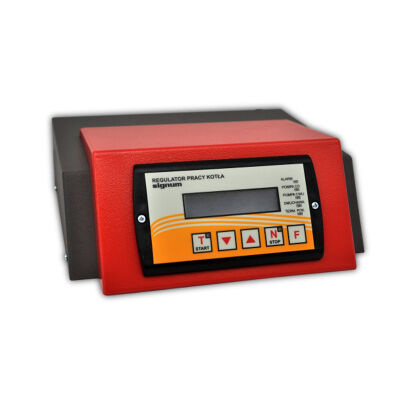
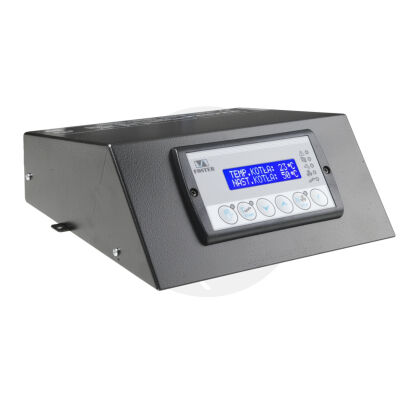
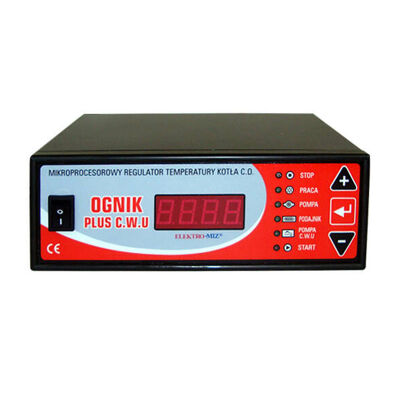
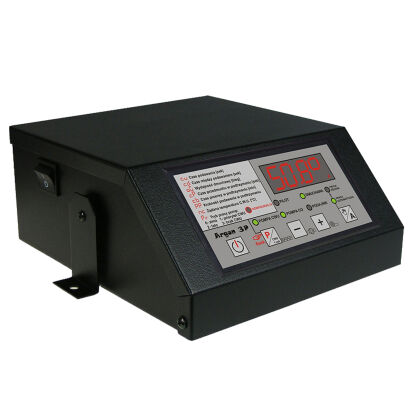
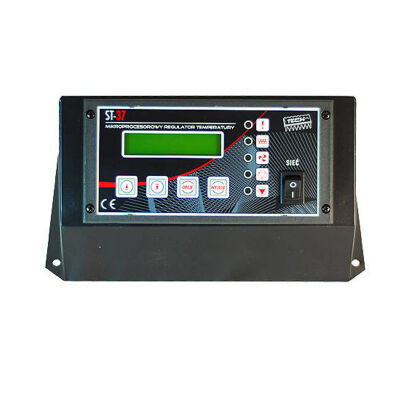
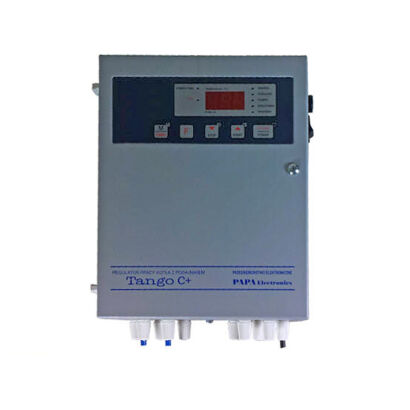
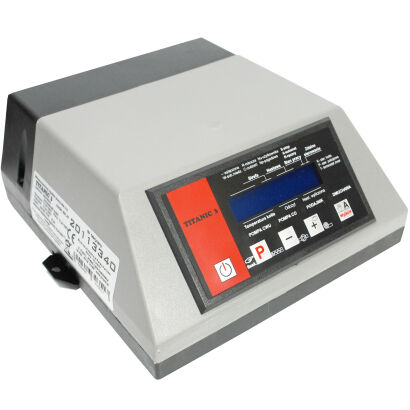
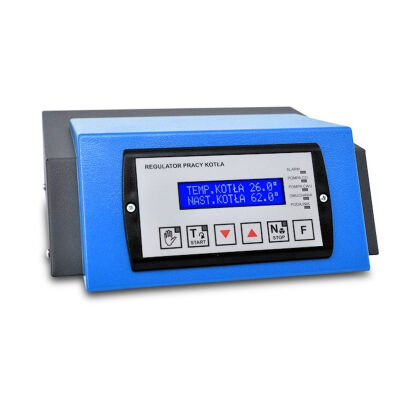
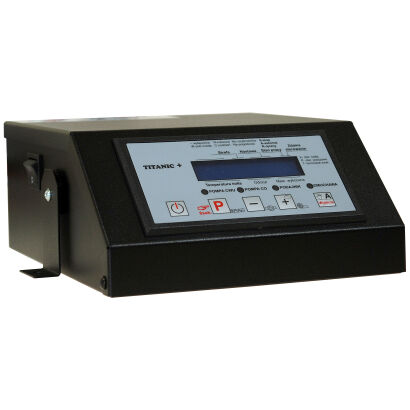
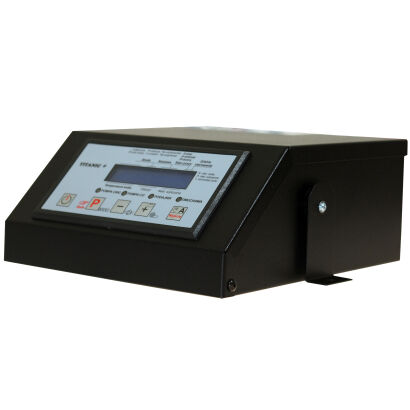
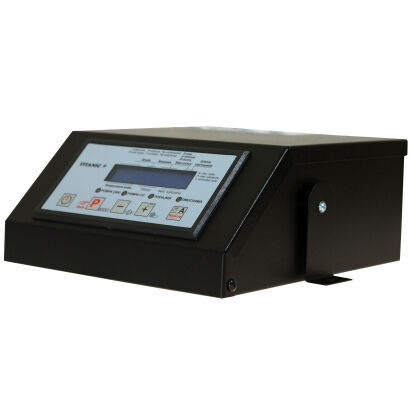
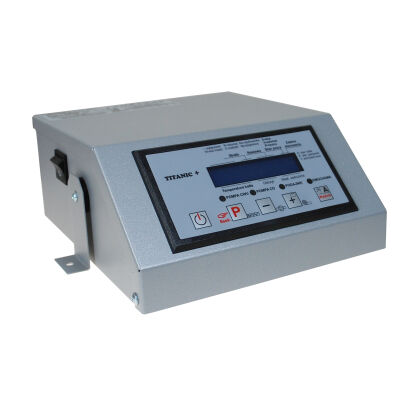
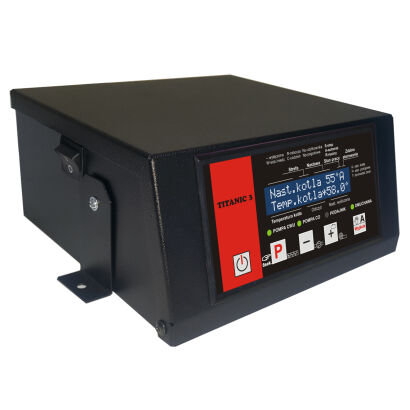
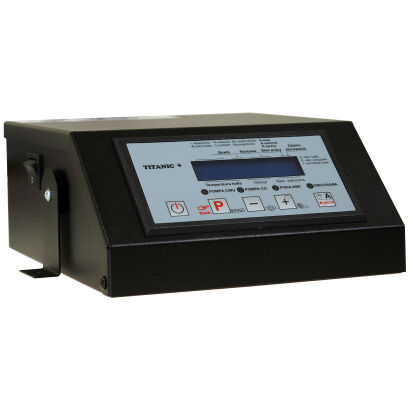
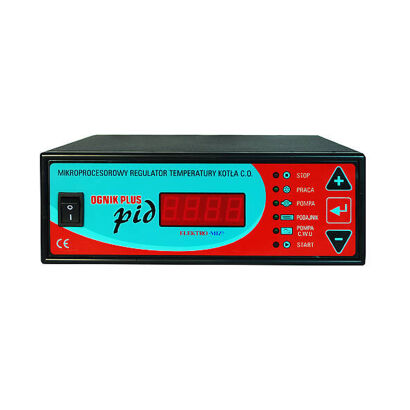
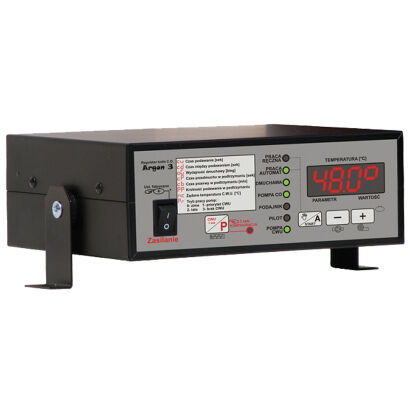
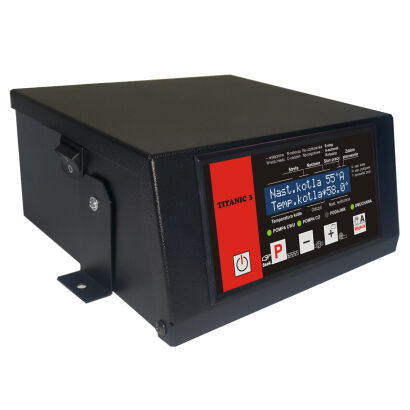
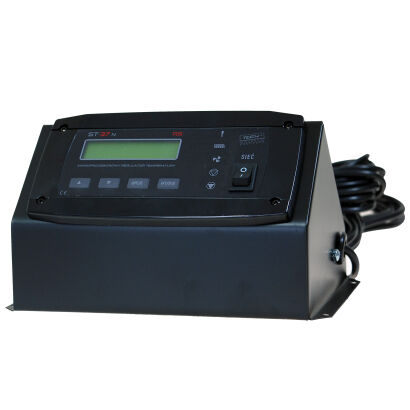
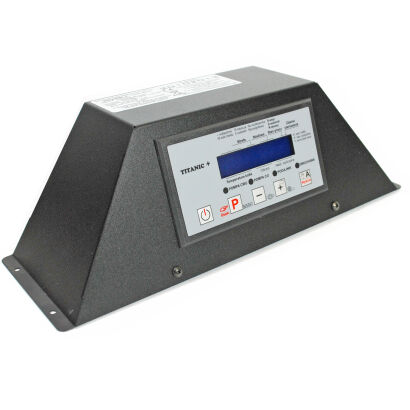
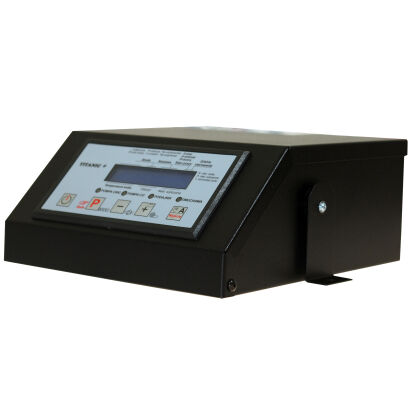
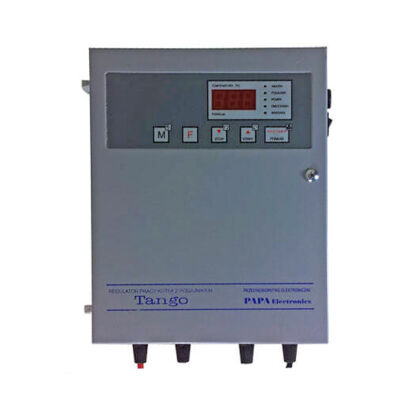
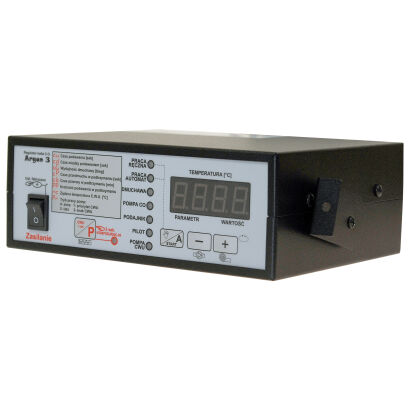
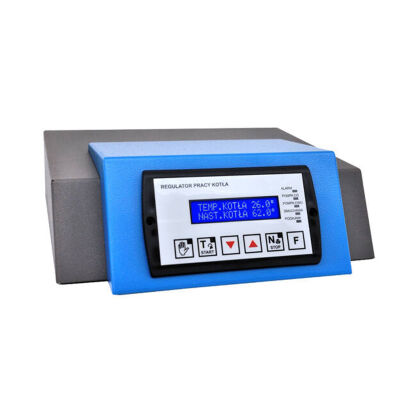
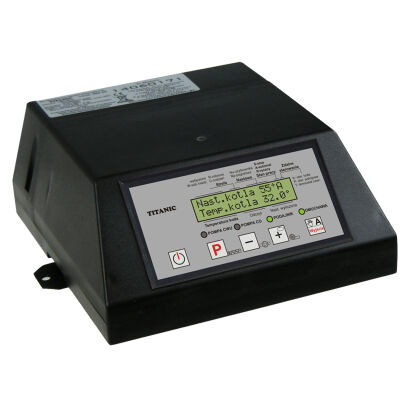
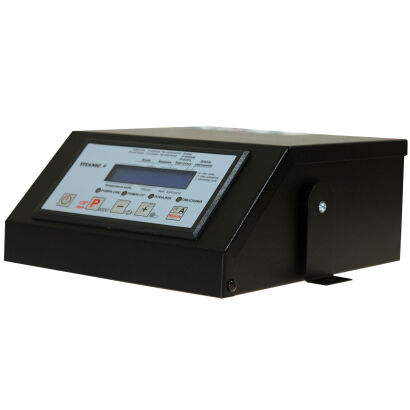
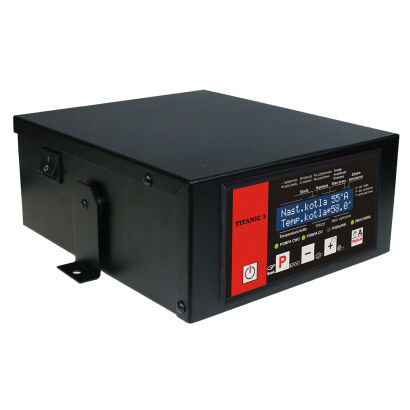
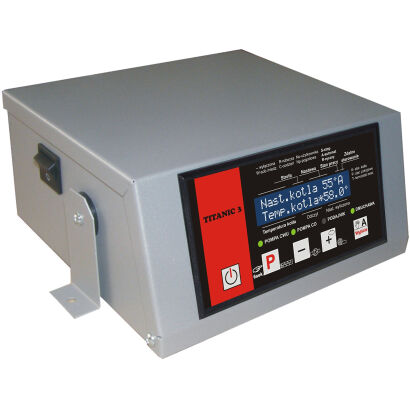
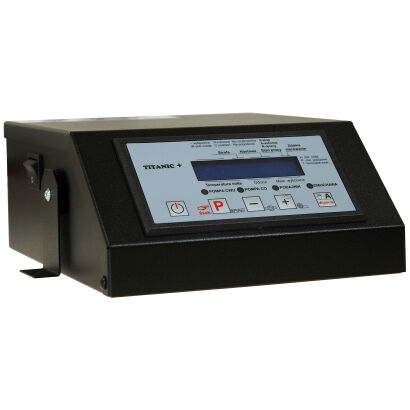
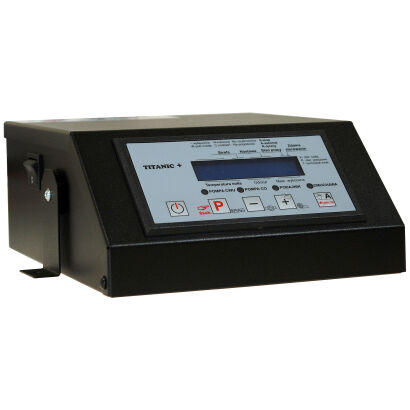
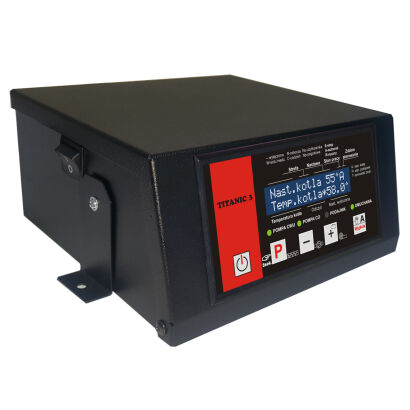
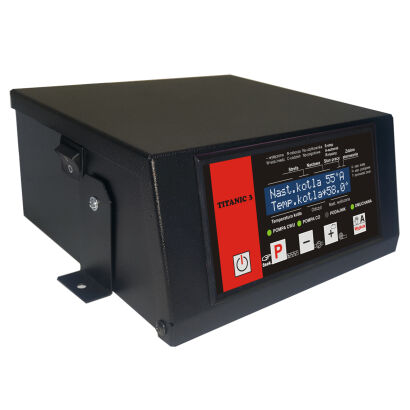
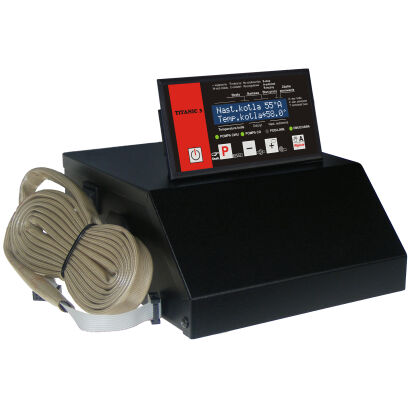
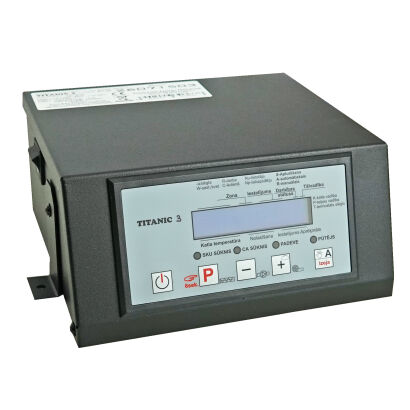
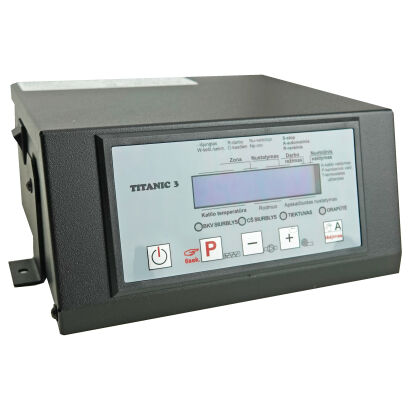
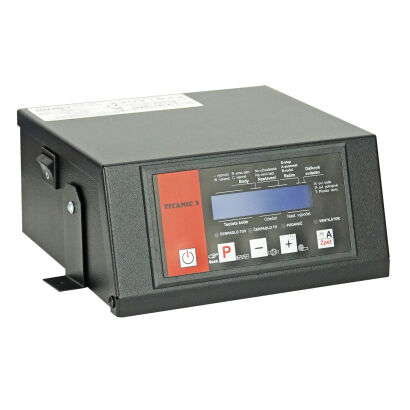
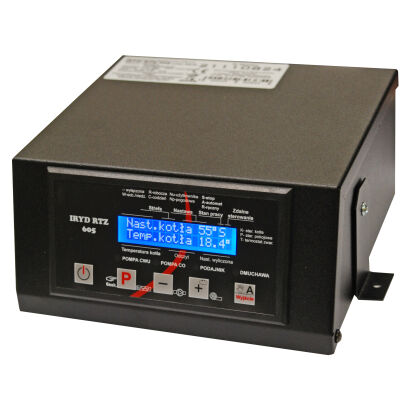
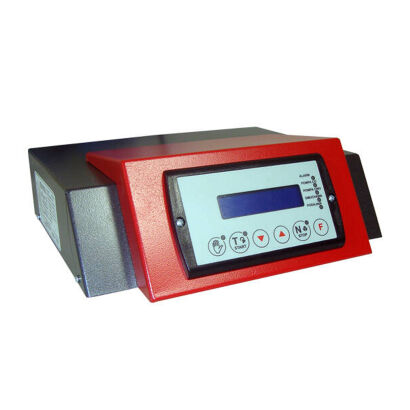
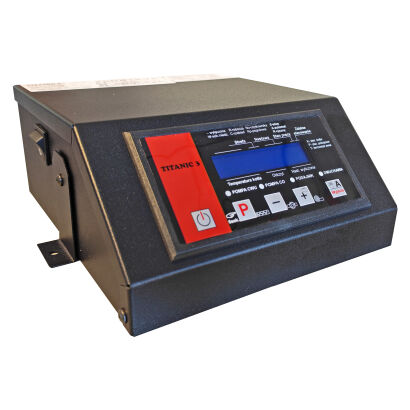
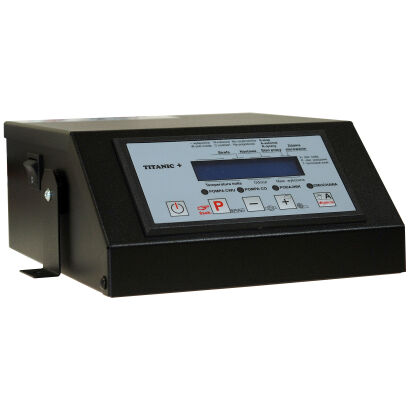
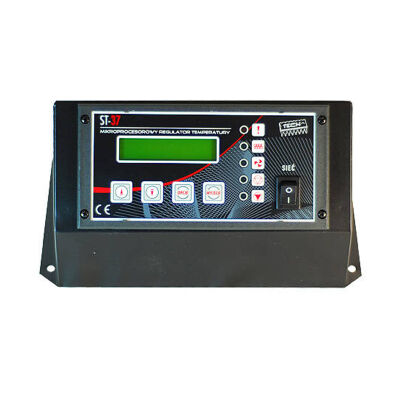
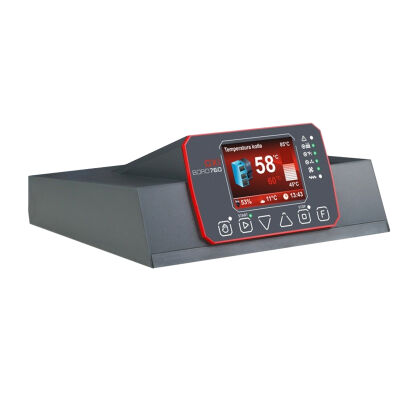
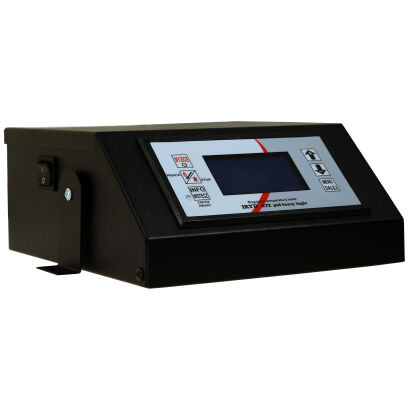
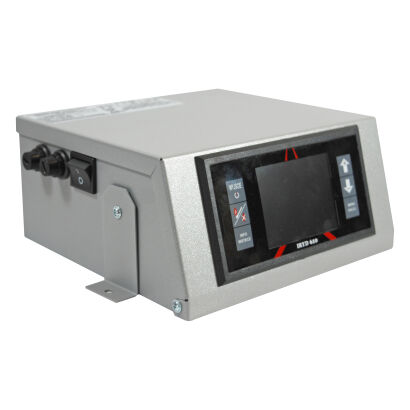
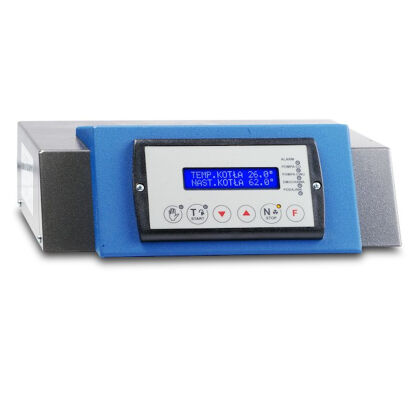
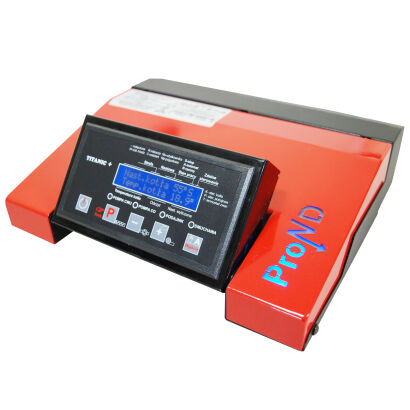
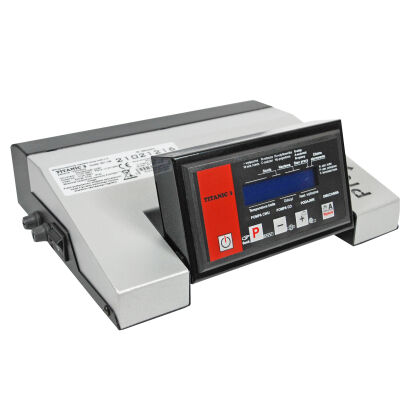
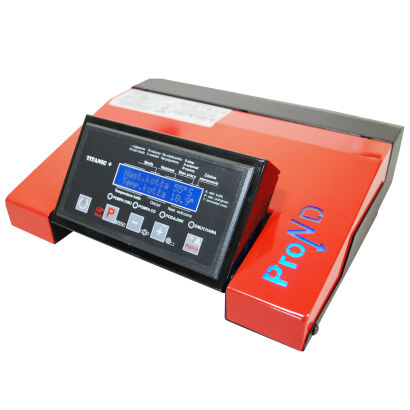
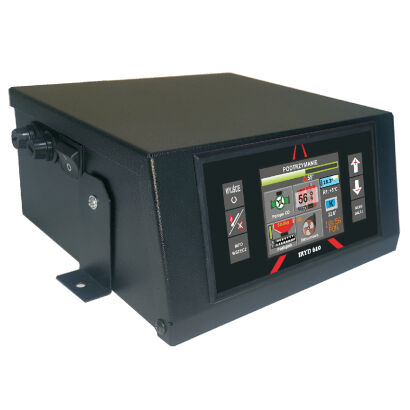
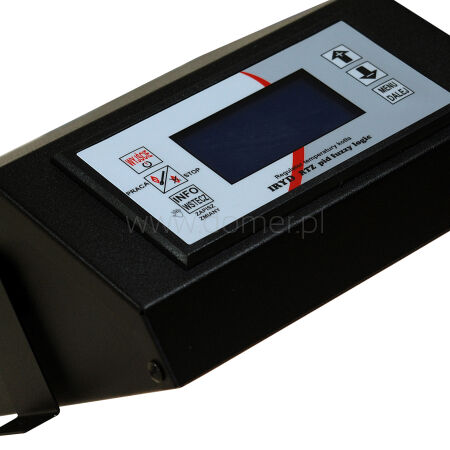
The boiler controller with a feeder sets the rhythm of the feeder, the forced draft fan, and the pumps, so in practice it determines the stability of combustion and the temperature in the central heating system (CO). In a solid fuel boiler, it is the basic automation element that limits manual adjustments and maintains repeatable operation with variable heat demand.
This category includes controllers for boilers with screw or piston feeders, also in versions supporting DHW (domestic hot water), additional circuits, mixing valve, room thermostat, and weather sensor. When replacing or upgrading, compatibility with the boiler and accessories matters more than the panel's appearance.
How does a boiler controller with a feeder differ from a standard furnace regulator?
The electronic temperature regulator in a boiler with a feeder does not operate like a standard hand-fed furnace controller. A simpler system usually switches the fan or pump based on hysteresis, i.e., a fixed difference between the set and actual temperature. The boiler controller with a feeder doses solid fuel, controls feeding time, pause time, and draft power, and in advanced versions also manages additional circuits.
In practice, simultaneous control of the following is important:
- screw or piston feeder,
- forced draft fan with speed regulation,
- CO pump, DHW pump, and sometimes an additional pump,
- boiler temperature sensor and overheating protection.
This range of control distinguishes feeder automation from simple two-state regulators and results in smoother boiler operation.
How to select controller parameters for the boiler and fuel?
Controllers for eco-pea coal boilers and other controllers for boilers with feeders are not universal. Cooperation with a specific feeding mechanism, the number of outputs for the blower and pumps, and the method of installation in the boiler or cabinet are important.
When selecting, practical considerations include built-in version, metal housing, rear sockets, reinforced design, and screen readability. A color display or a 4.3-inch touch panel facilitates operation, but for durability, stable relay operation, clear alarms, and correct menu version are more important.
Specifications are usually compared in terms of:
- DHW support or DHW PLUS version,
- automatic operation with PID algorithm or manual operation,
- connection of room thermostat and weather sensor,
- compliance with class 5 boilers and EcoDesign requirements.
Only by comparing these data can you select a regulator without modifying the installation.
How does control affect the efficiency of the central heating system?
The efficiency of the central heating system depends not only on the boiler power. The controller adjusts the fuel dose and air amount to the current water temperature, so a well-set regulator limits overheating, incomplete combustion, and unnecessary feeder stops.
The PID algorithm, i.e., automatic correction of operation based on temperature deviation, continuously changes the feeding cycle and fan power. The boiler then operates more evenly, the heating circuit receives more stable supply, and the CO pump and DHW pump work under more predictable conditions.
Feeding time and pause time are always set according to the specific fuel and mechanism efficiency. A shorter pause increases the fuel dose, a longer one limits it, and too high draft power can raise flue gas temperature without improving heat transfer.
When is feeder stoppage normal, and when does it indicate a fault?
Stopping the feeder does not necessarily mean a failure. The controller stops feeding after reaching the set temperature, in standby mode, after a signal from the STB temperature limiter (an independent thermal protection), or in case of an erroneous reading triggering an alarm.
Assessment starts with a simple distinction. When manual mode activates the drive but automatic mode does not, check the boiler temperature sensor, active alarms, and work and pause time settings. If the feeder does not respond even in manual mode, verify power supply, fuse, cables, controller output, and the drive mechanism itself.
Construction and standards important after installation
During continuous boiler operation, not only functionality but also build durability matters. Reinforced versions, metal housings, and socket layouts adapted for installation facilitate mounting and later service in boiler rooms with elevated temperature and dust.
Models marked as compliant with class 5 or EcoDesign requirements facilitate matching automation to more modern heating devices, and versions described as full usually provide broader support for circuits and accessories. For installations operated outside Poland, the appropriate language version of the menu is also practically important.
FAQ
Why is it worth having a controller with PID regulation in a boiler with a feeder?
The PID algorithm corrects fuel feeding cycles and draft power based on temperature deviation, reducing the risk of overheating and incomplete combustion. Thanks to this, the boiler operates more evenly, and the central heating circuit receives more stable supply.
What construction features of the controller should be considered during installation and service?
Important are a metal housing, built-in version, reinforced sockets, and a durable and readable panel. Compliance with the feeding mechanism, number of outputs, and class 5 and EcoDesign requirements is also important.
What should be checked first when the feeder stops working?
First, assess whether the stoppage results from reaching the temperature, standby mode, or activation of the STB protection. If the feeder does not work even in manual mode, check power supply, fuse, cables, controller output, and the drive.
 Polish
 Czech
 German
 Slovak
 Ukrainian