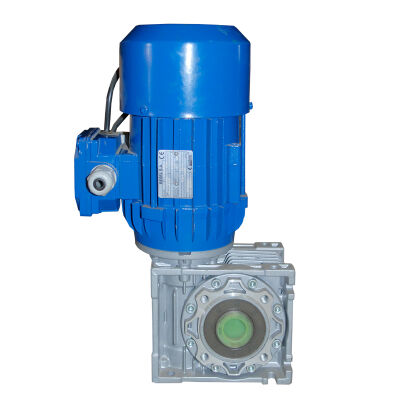


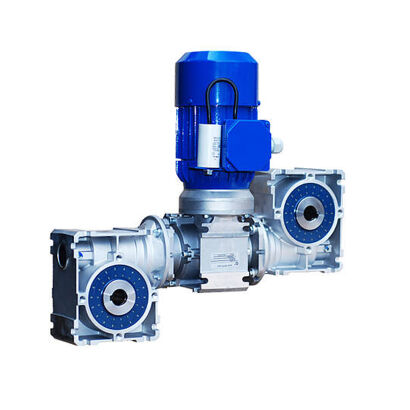
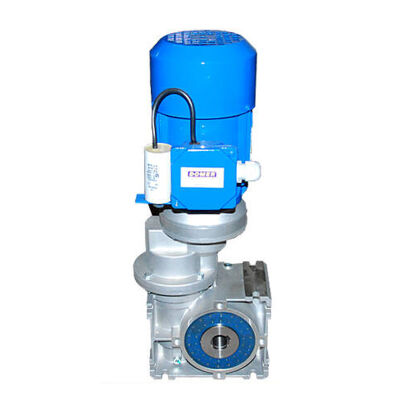
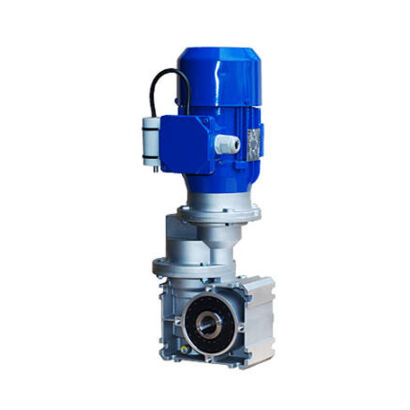
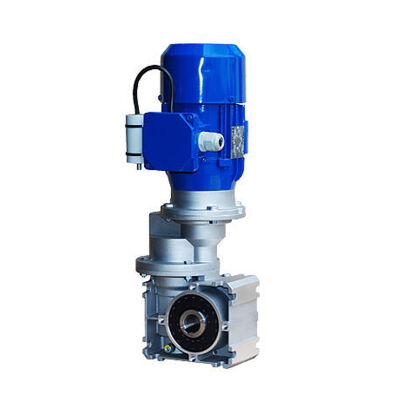
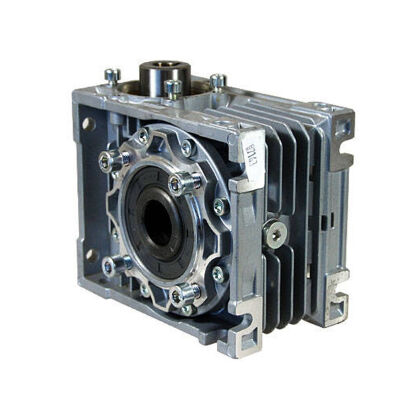
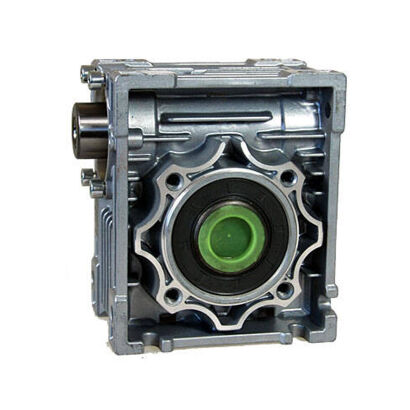
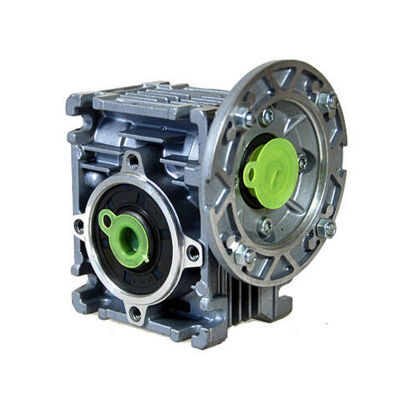
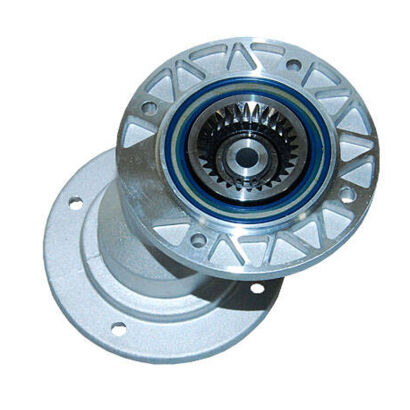
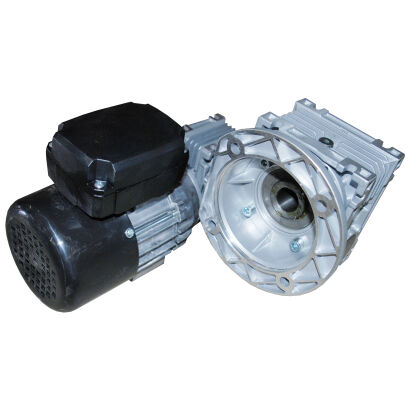

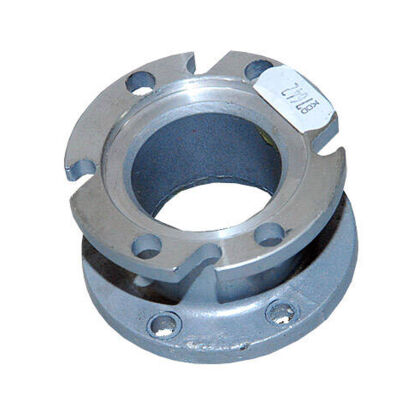


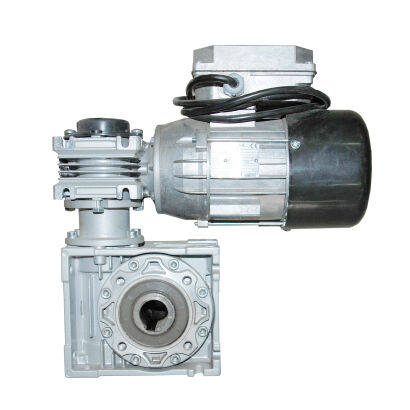

Gear motors and gearboxes determine whether the feeder in the boiler operates smoothly, without jerks, and according to the controller setting. When replacing, selecting just the motor is not enough. Important factors include output speed, power, direction of operation, and the method of connection to the feeder screw.
Gear motor for the furnace controls fuel feeding
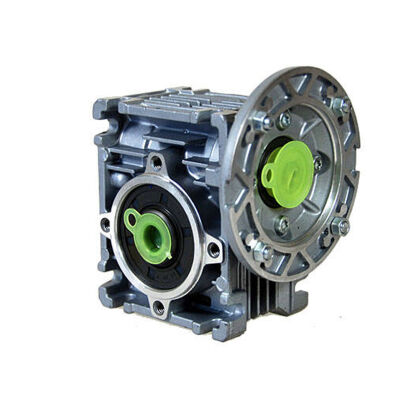
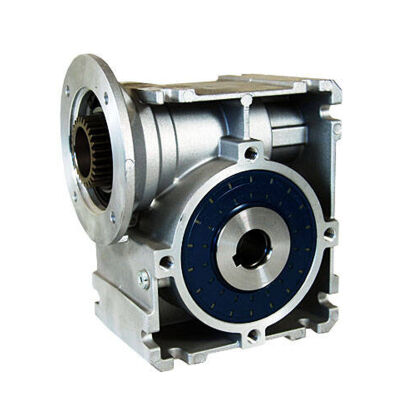
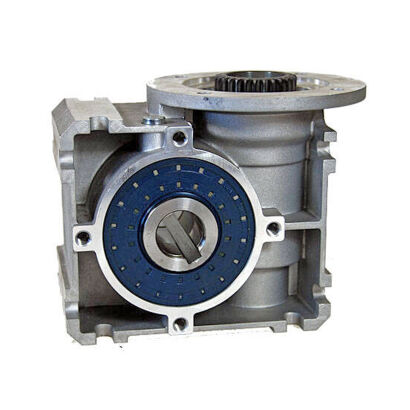
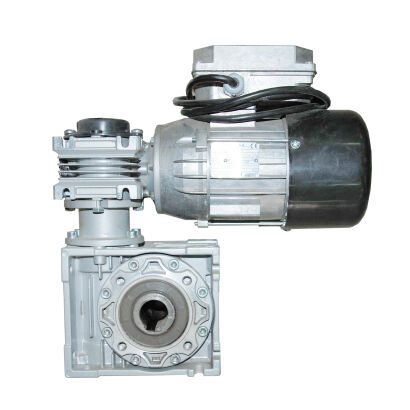
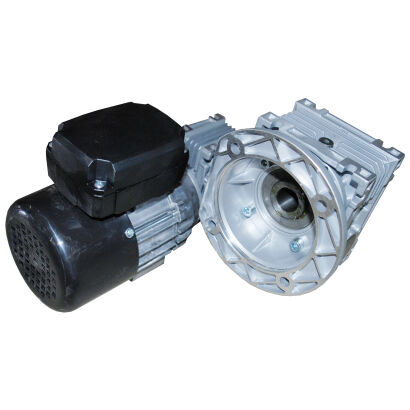
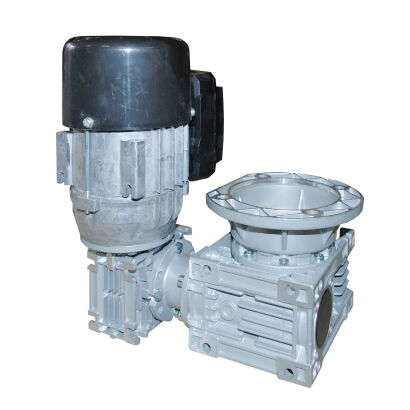
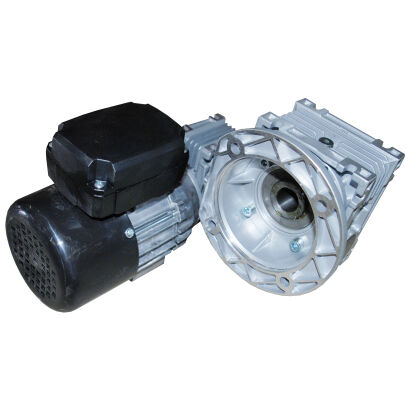
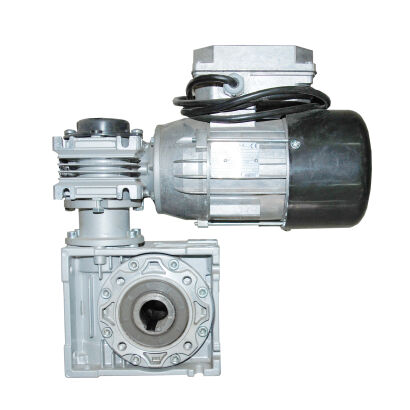
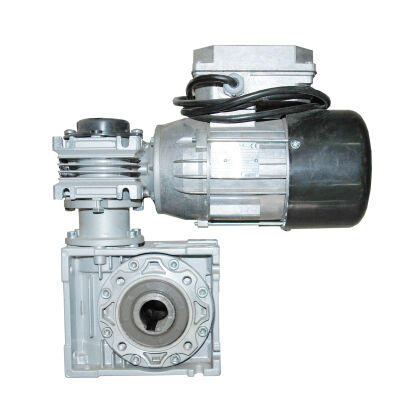
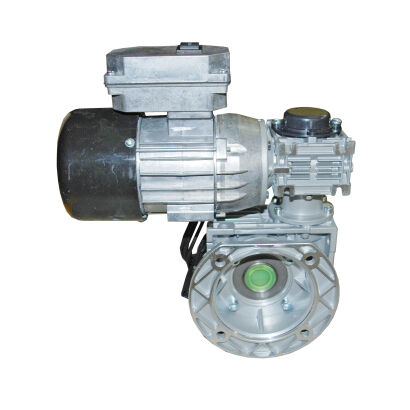
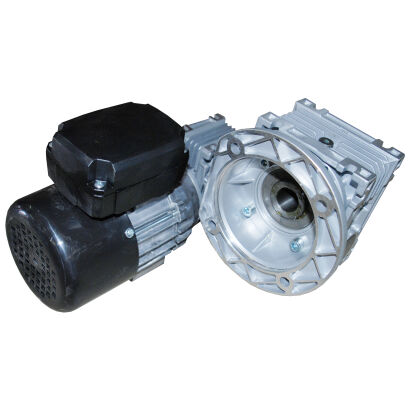
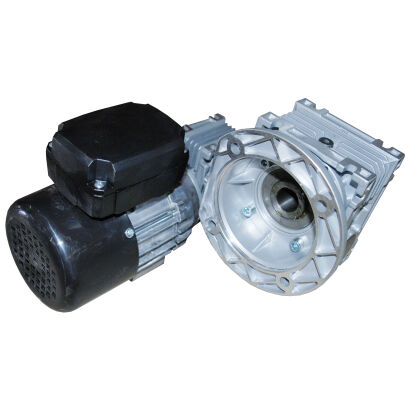
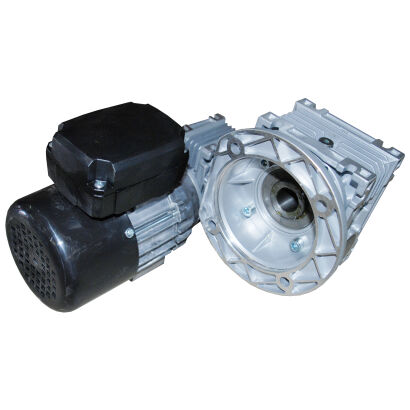
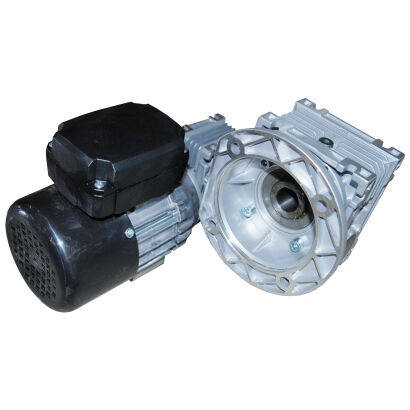
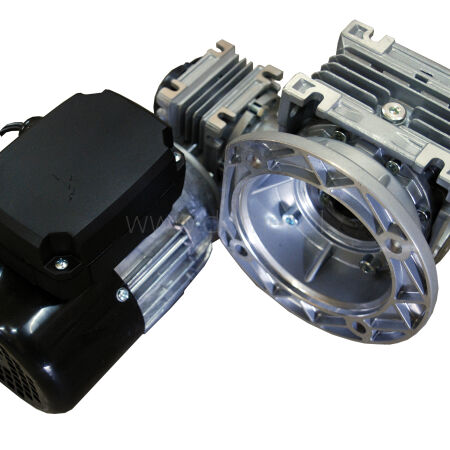
The gear motor for the furnace transfers drive from the electric motor to the feeder screw or drawer mechanism via the gearbox. In a central heating boiler with a screw feeder, this means constant fuel transport from the hopper to the combustion chamber. In practice, a worm gear motor consists of a motor and a worm gearbox, i.e., a reducer that lowers speed and increases torque, sometimes two-stage. Such a system operates in boilers for eco-pea coal, in some installations where pellet boilers use a separate feeder, and in some boilers.
Drive selection starts with compatibility with the boiler
The gear motor for a boiler with a feeder is not a universal part. Compatibility with the boiler type, feeder design, and screw mounting determines smooth operation and cooperation with the controller. A more powerful motor will not replace a poorly matched gearbox. The types—angled, side, large, cylindrical-worm, and combined—also matter because they differ in dimensions and installation method. Drive durability increases when the shaft and screw operate on the same axis, and the speed matches the controller cycle.
When verifying parameters, the following are important:
- output rotational speed, typically ranging from 0.9 to 17 rpm, matched to the fuel dose and controller cycle,
- motor power, usually from 0.09 to 0.25 kW, corresponding to the resistance of the screw and the feeder's operating characteristics,
- direction of operation, fixed or right-left with reverse gear, useful for system unlocking,
- cable length, most often 2 or 3 m, important for safe connection to the controller.
For versions intended for specific boiler and furnace designs, it is usually necessary to check the device marking, shaft diameter, and shaft locking method with a cotter pin, M5 screw, or key sleeve.
When is a gearbox enough, and when is a whole gear motor needed?
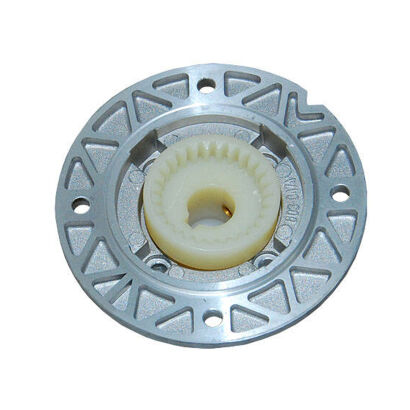
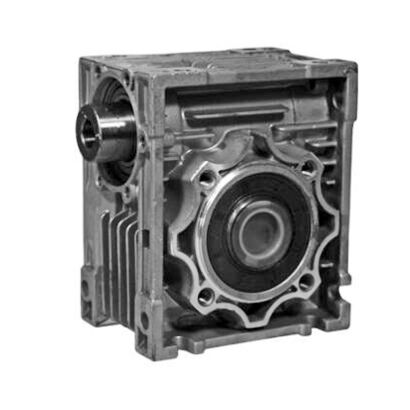
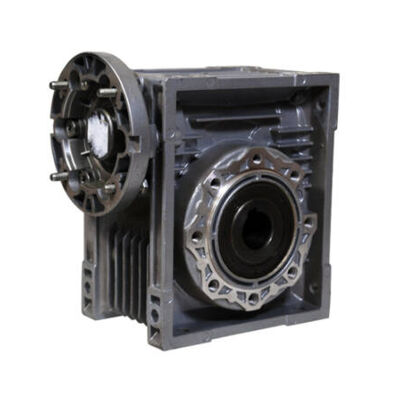
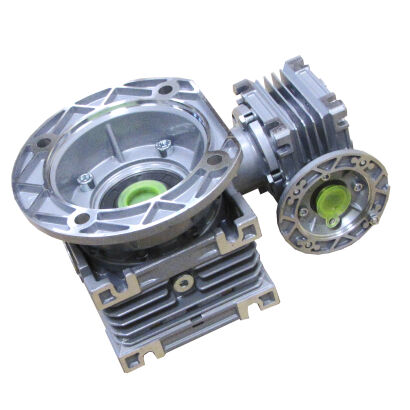
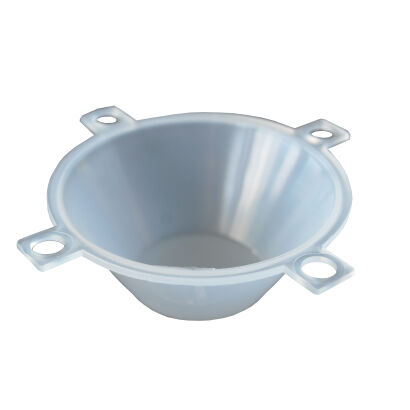
The gearbox is a good choice when the damage concerns the reduction part, and the electric motor remains functional and compatible with the system. It is worth replacing the entire gear motor when both components are worn, the repair history is uncertain, or the mounting method changes. This group also includes gearboxes for fuel feeding in boilers, sets including small and large reducers, and small mounting elements that allow completing the repair without fabricating parts. When replacing, plastic cotter pin covers for the gearbox may also be needed.
How to recognize drive wear?
Failure symptoms usually appear before the feeder stops completely. A properly working gear motor for the furnace feeds fuel evenly and without excessive noise, so any repetitive change in rhythm requires inspection. The diagnosis should also include the feeder screw, controller, and fuel, as not every overload means motor damage.
Most often, the following are checked:
- uneven operation or stopping of the feeder screw,
- noisy gearbox operation, noticeable play and housing vibrations,
- overheating of the electric motor during normal operating cycles,
- lack of reverse gear or problems changing direction right-left,
- repeated shearing of the cotter pin with fuel compatible with the feeder design.
Fuel feeders for the furnace simplify operation but under specific conditions
Fuel feeders for the furnace simplify boiler operation because fuel is delivered to the firebox automatically and in doses according to the controller setting. Such a system allows for several days of operation without manual refueling but requires compatibility of fuel, drive, and feeder mechanics. In practice, screw and piston feeders do not use the same drives, so switching between systems requires verification of the entire system.
Limitations are technical in nature. Fuel should have granulation compatible with the design, often in the range of 5-25 mm, and the feeder tube and cast iron parts require periodic cleaning. During longer downtime, it is advisable to empty the hopper, clean the mechanism, check lubrication, and perform annual clearance inspection. Availability of complete drives, gearboxes alone, and connecting elements shortens downtime, and service support facilitates later maintenance.
FAQ
How to select the speed and power of the gear motor for the feeder?
Match the output speed (0.9–17 rpm) to the fuel dose and controller cycle and the motor power (0.09–0.25 kW). Also consider the direction of operation and cable length.
When is replacing only the gearbox enough, and when should the entire gear motor be replaced?
Replacing only the gearbox is possible if the motor is functional and compatible with the system. It is worth replacing the entire gear motor when both components are worn, the repair history is uncertain, or the mounting method changes.
What are the early signs of feeder drive wear?
Typical signals include uneven operation or stopping of the screw, noisy operation, noticeable play and vibrations, motor overheating, lack of reverse gear, and repeated shearing of the cotter pin. The controller and fuel quality should also be checked.
 Polish
 Czech
 German
 Slovak
 Ukrainian