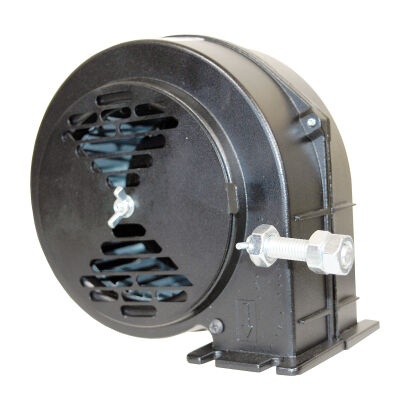
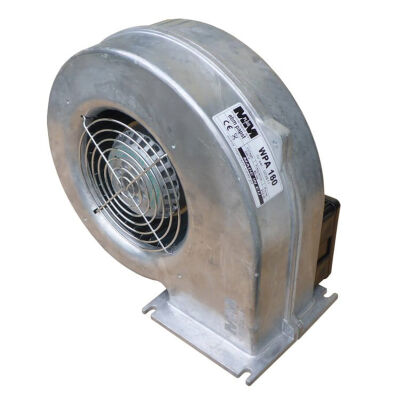
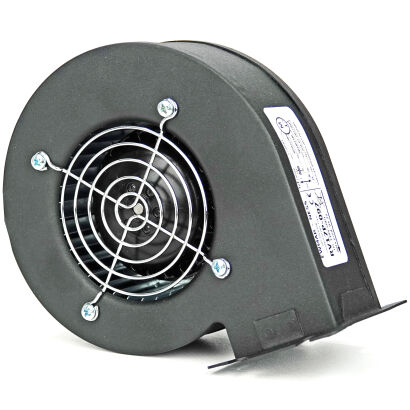
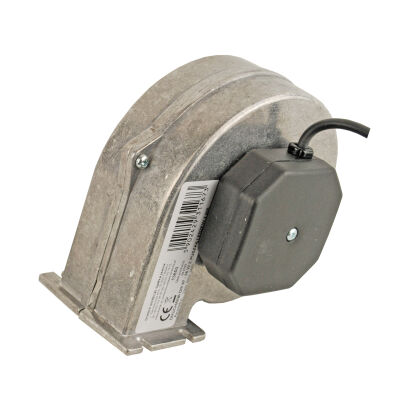

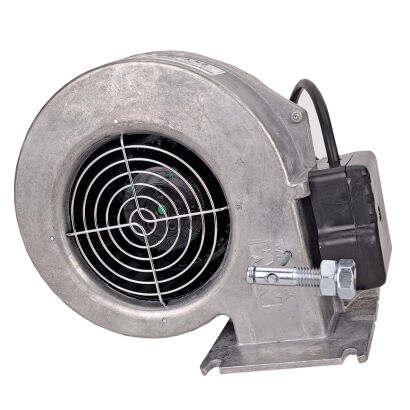
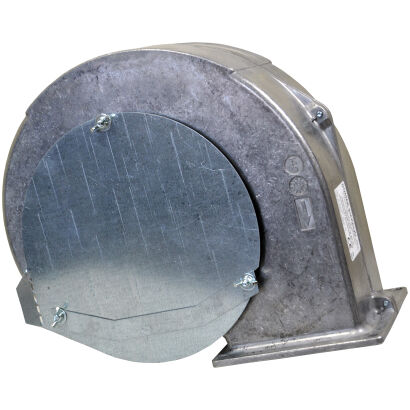
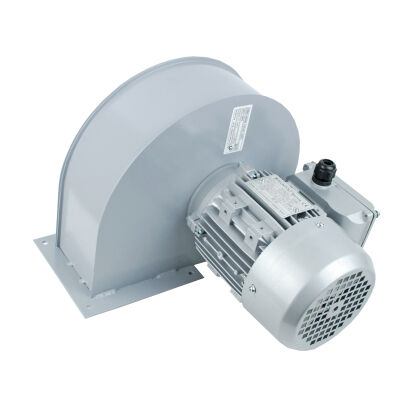
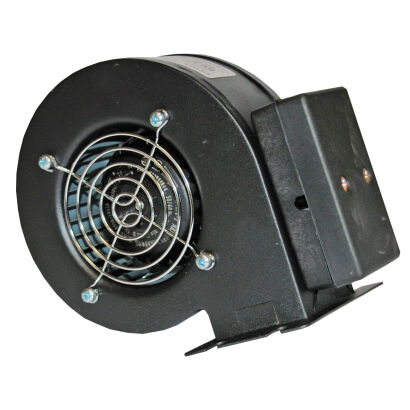
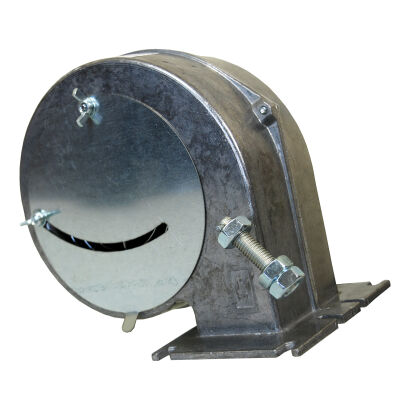
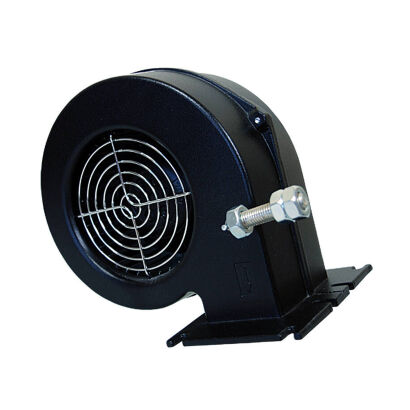
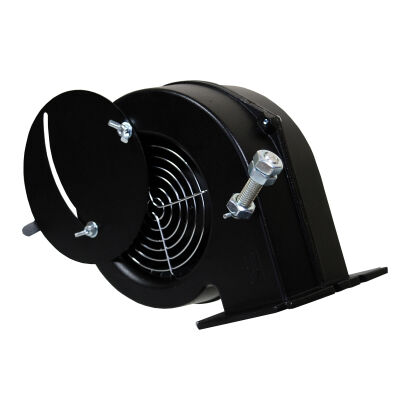
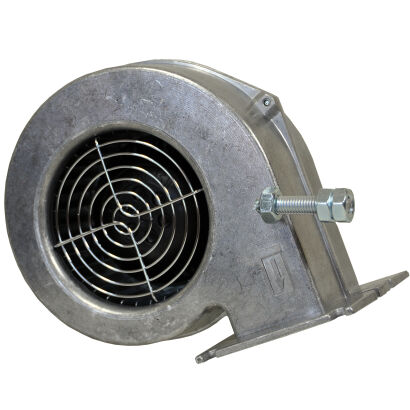
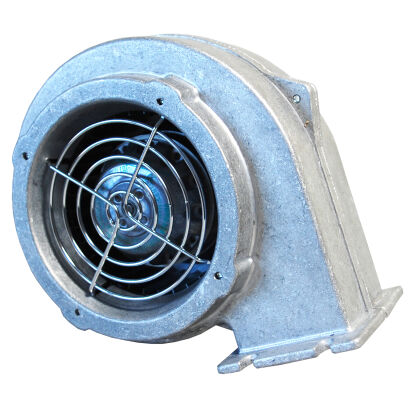
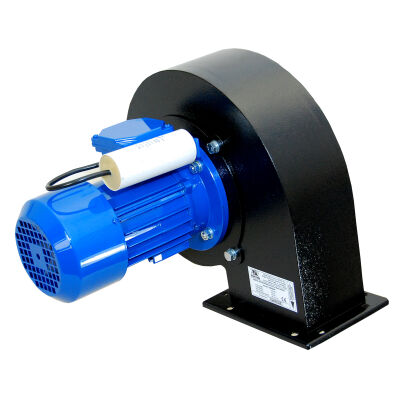
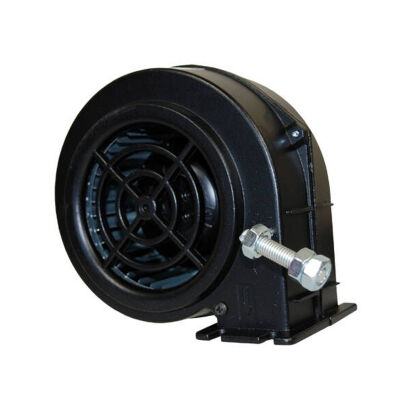
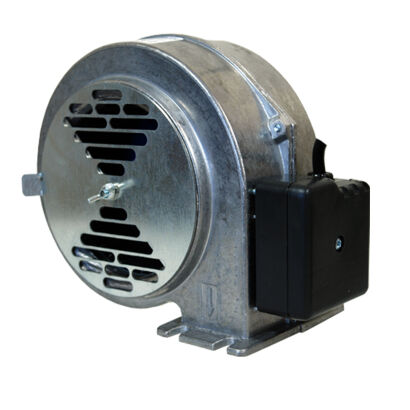
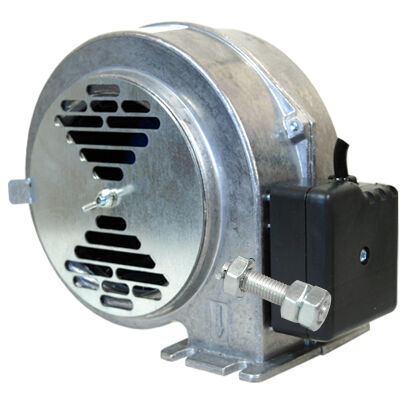
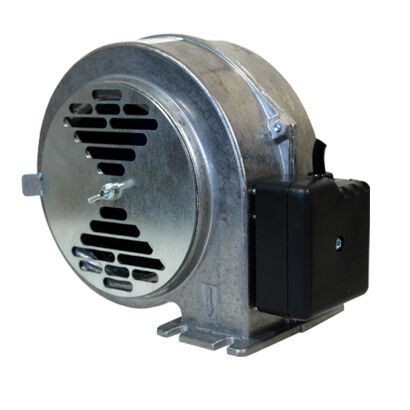
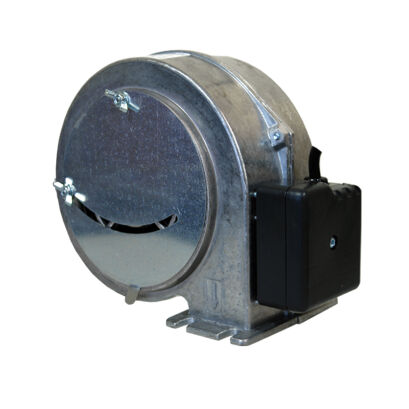
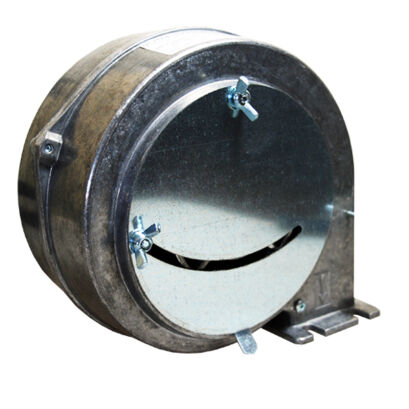
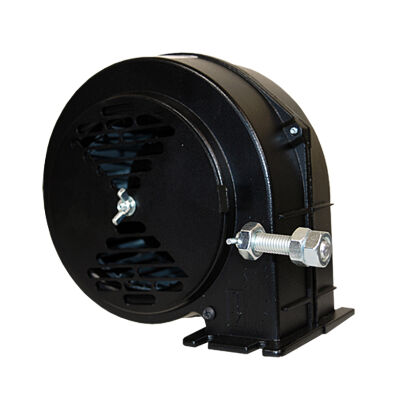
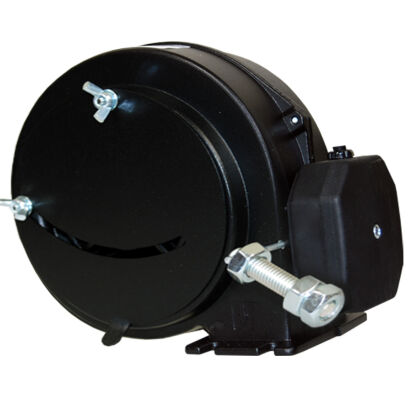
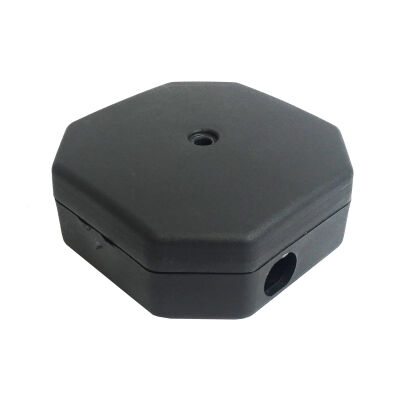
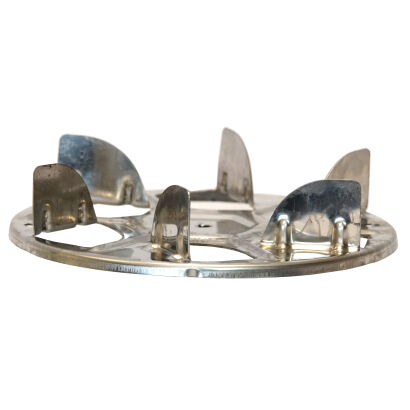
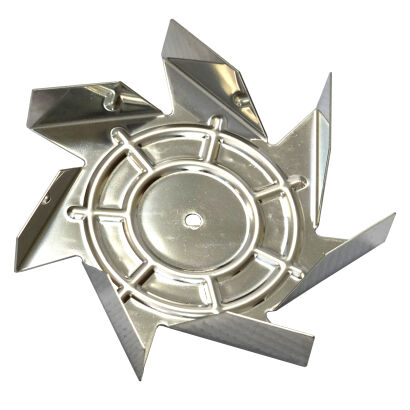

Fans for the central heating boiler stabilize combustion in the central heating boiler and facilitate maintaining the set temperature without manually adjusting the air supply. When replacing, it is not just the motor power that matters, but the compatibility of the connection, the airflow capacity, and cooperation with the controller.
The category includes both blowers for the central heating boiler that push air into the combustion chamber and solutions supporting the exhaust gas draft. In practice, such selection shortens the time it takes for the boiler to reach the operating temperature, improves the efficiency of solid fuel combustion, and allows for more precise adjustment of the installation's operation.
What does a fan for the central heating boiler do and when is an exhaust fan needed?
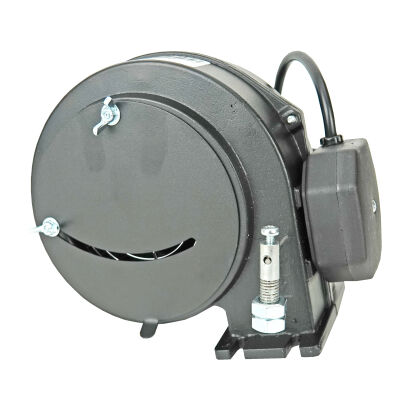
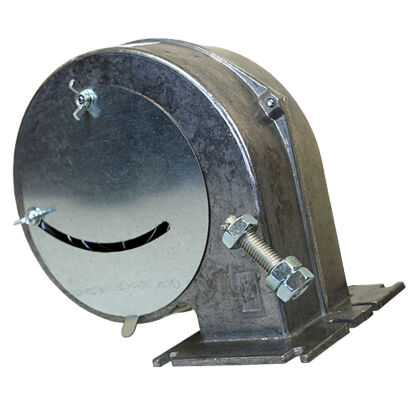
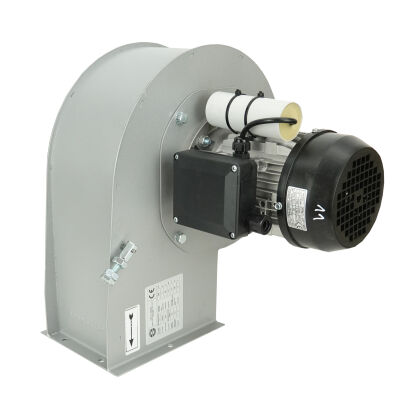
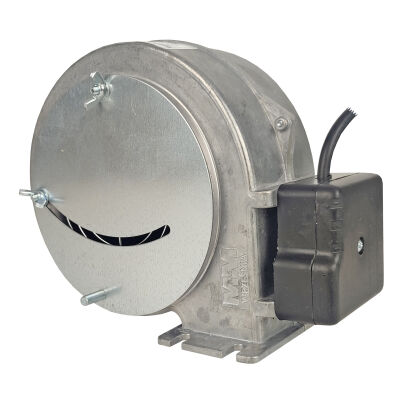
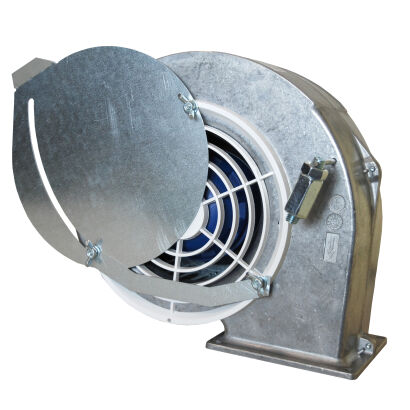
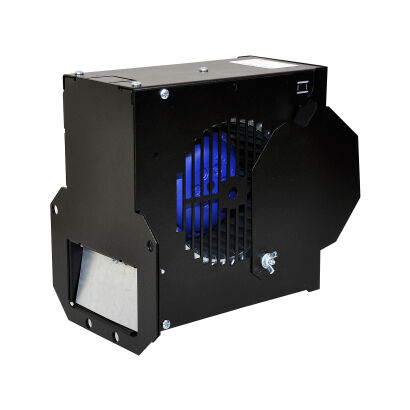
The forced-air fan for the boiler controls the amount of air entering the combustion chamber. The blower for the central heating boiler works with a controller that switches the air blast to the firebox on and off so that the solid fuel boiler maintains the set temperature. In practice, the terms blower for the boiler and forced-air fan for the boiler refer to the same type of operation, i.e., pushing air into the firebox. The chimney exhaust fan works differently. It is mounted on the flue outlet, i.e., the boiler's exhaust pipe, to strengthen the draft and reduce smoke backflow when lighting or adding fuel, but it does not replace the natural chimney draft.
Choosing a blower for the central heating boiler starts with the connection
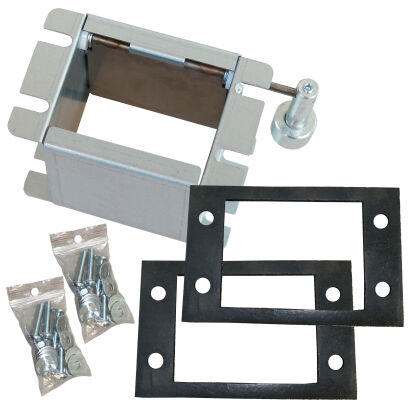
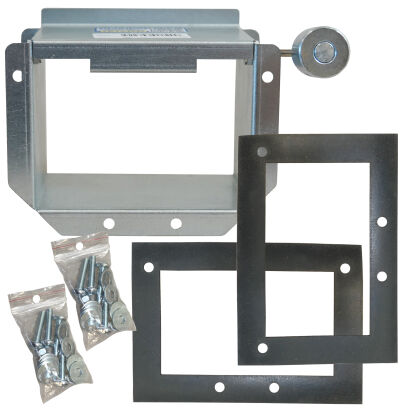
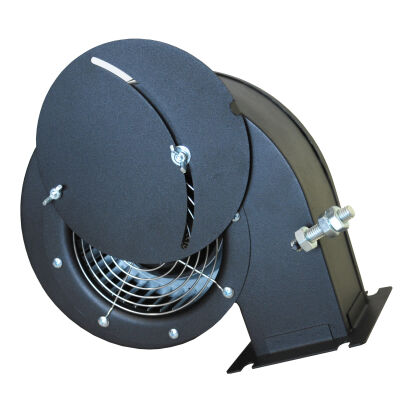
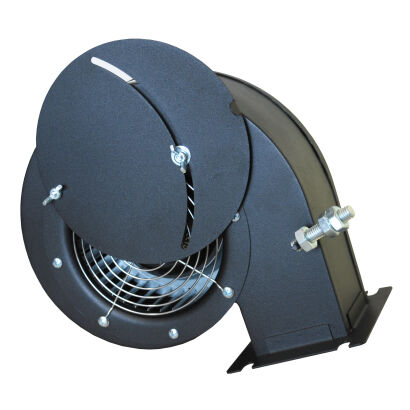
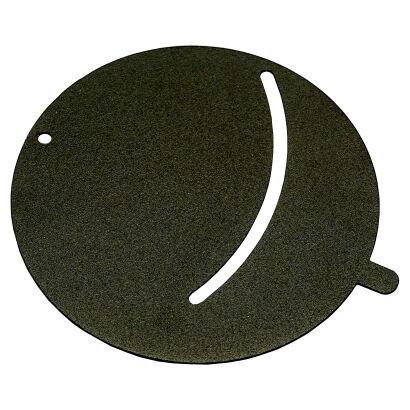
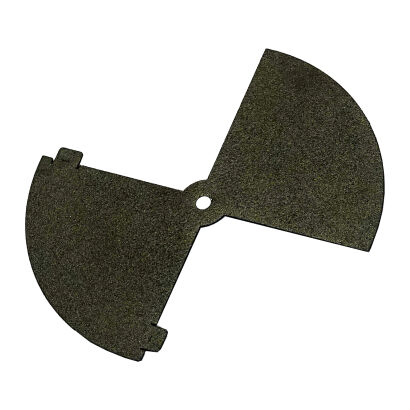
The dimensions of the frame and outlet opening in the boiler determine whether installation will be possible without modifications. Even an efficient blower for the central heating boiler will not work properly if it is not compatible with the connection. Equally important are the mounting position and protection against water, dust, and gases present in the boiler room. Models with a damper must also be compatible with the mounting direction.
When comparing models, practical considerations include:
- the size of the frame and the diameter or shape of the outlet, which determine compatibility with the boiler,
- airflow capacity in m³/h, i.e., the amount of air pushed per hour, which must correspond to the size of the firebox and type of fuel,
- pressure given in Pa, i.e., the pressure unit, needed for higher flow resistance,
- the method of regulation, including the damper and operation with speed control from the controller or a separate regulator.
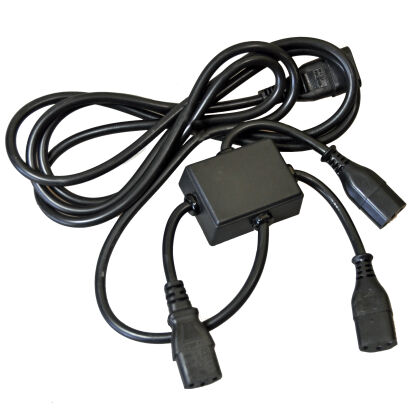
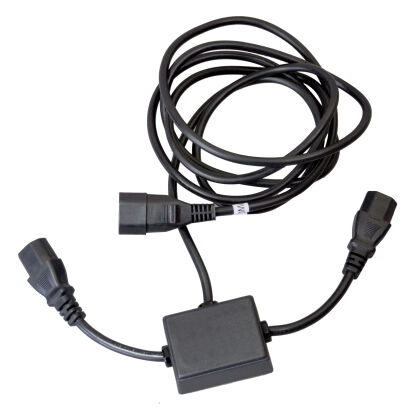
This group often features 230 V / 50 Hz power supply, so before purchase, it is also worth checking the plug type and cable length.
Is the forced-air fan for the boiler properly selected?
A poorly selected air supply for the boiler is visible from the boiler's operation, not just from the nameplate. Too high an airflow capacity expressed in m³/h accelerates fuel consumption and may cause temperature fluctuations, while too low makes it difficult to reach the set temperature and worsens fuel afterburning. In batch-fed and dust boilers, correct selection should ensure smooth operation without excessive smoke and without sudden reactions to each blower activation.
Signs of wear during the season
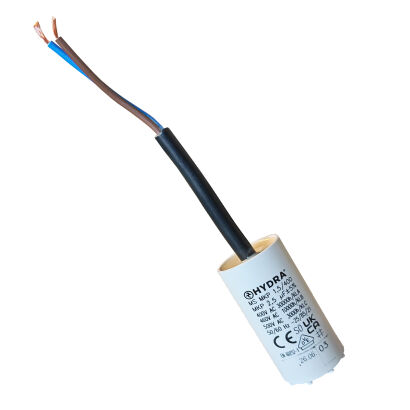
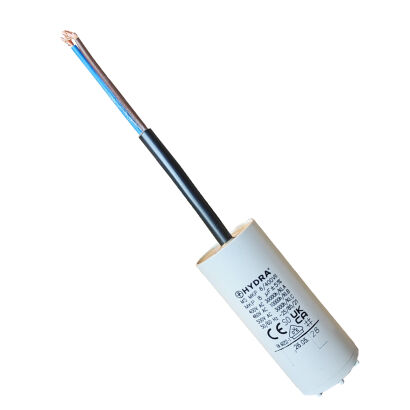
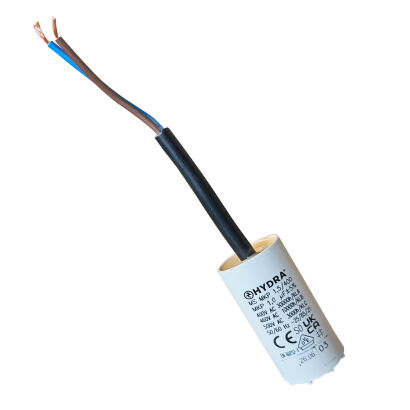
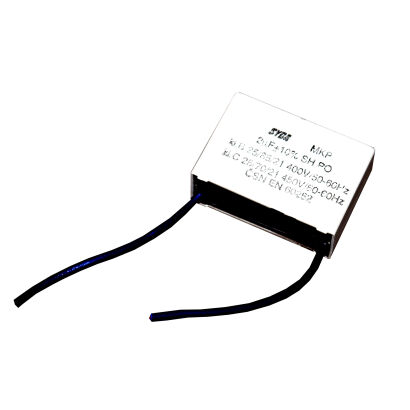
A worn blower for the central heating boiler usually loses rotational stability. Noise, vibrations, starting problems, reduced blowing force, or uneven operation under load often indicate capacitor or rotor wear. It is also worth replacing the forced-air fan for the boiler when the controller works properly, but the boiler responds noticeably slower than before.
Blower controller and speed regulation in practice
The blower controller is not intended for continuous operation at full power. The purpose of controlling the blower with speed regulation is to maintain the boiler temperature with the air flow needed at a given moment of combustion. A forced-air fan for the boiler with speed regulation provides greater precision than operation solely in on/off mode because it allows limiting the draft through the firebox and better matching the air supply to the type of fuel.
Connection requires voltage compatibility, socket type, and permissible load of the controller output. When replacing, it is also necessary to check the mounting direction of the damper and whether the cable freely reaches from the boiler to the controller without running near hot elements.
Fans for the boiler selected according to the installation
Fans for the boiler are best selected based on the boiler parameters and connection dimensions, not just the device name. This category includes solutions for solid fuel central heating boilers, from classic forced air to chimney draft support, making it easier to compare mounting compatibility, regulation method, and operating range within one group. The offer layout facilitates selection both for single replacements and larger orders, and warehouse availability, shipping from Poland, and own service ensure that most domestic orders arrive the next day.
FAQ
How to check if the blower fits the boiler?
Measure the frame size and the diameter or shape of the outlet, check the mounting position, degree of protection against water and dust, and compatibility of the cable and plug with the power supply.
What symptoms indicate blower wear?
Unstable rotations, noise, vibrations, starting problems, reduced blowing force, or slower boiler response despite a properly working controller are typical signs of wear.
Does speed regulation improve boiler operation?
Yes. Speed regulation allows more precise adjustment of airflow, limits draft through the firebox, and maintains temperature better than simple on/off mode. However, it requires voltage compatibility and correct damper direction.
 Polish
 Czech
 German
 Slovak
 Ukrainian