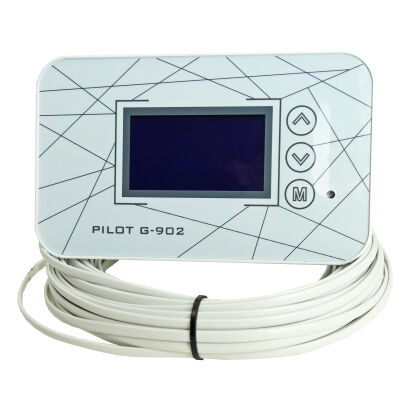
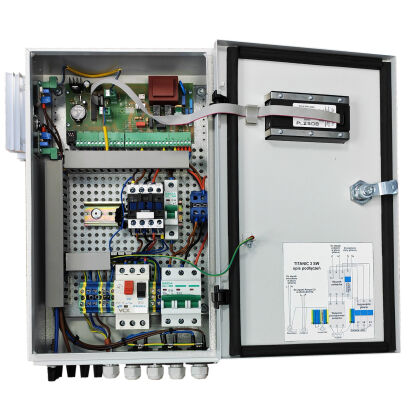
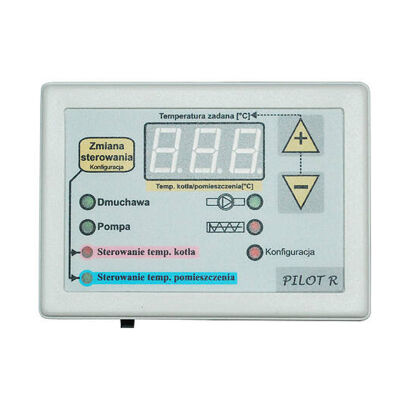
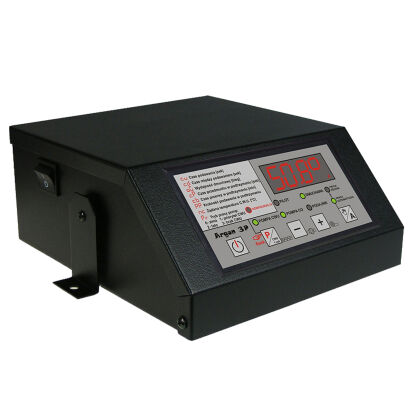
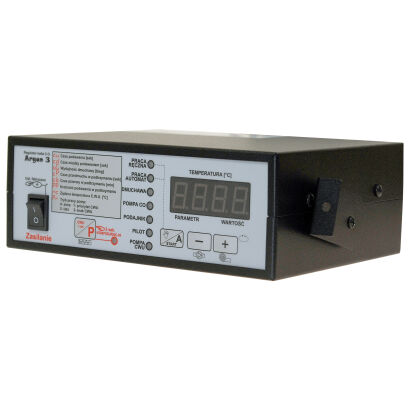
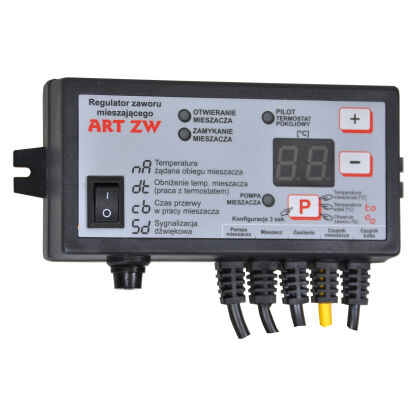

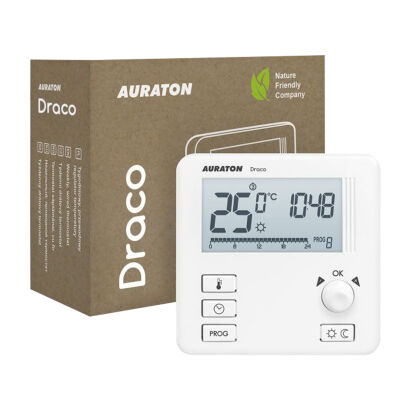
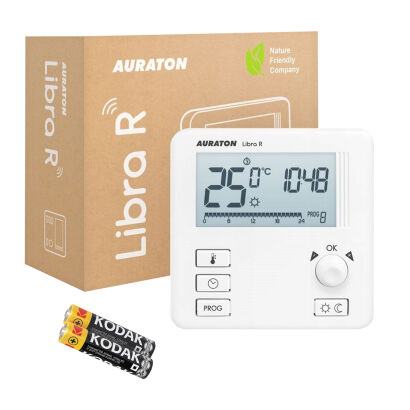
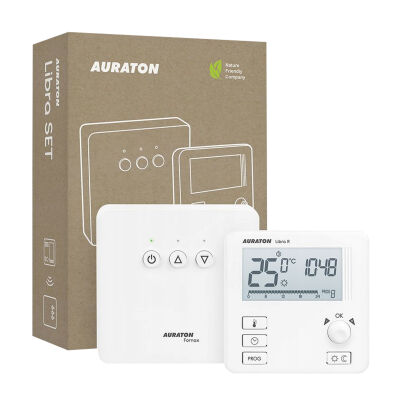
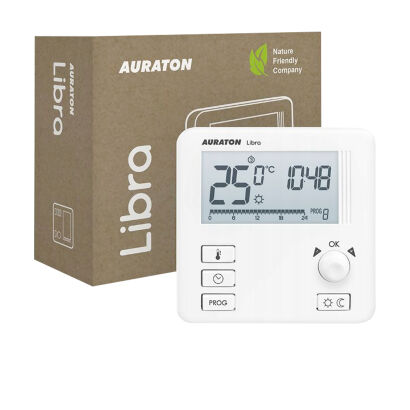
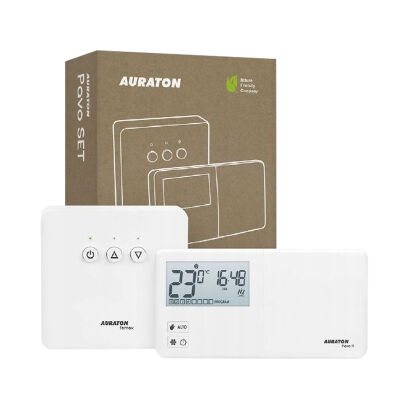


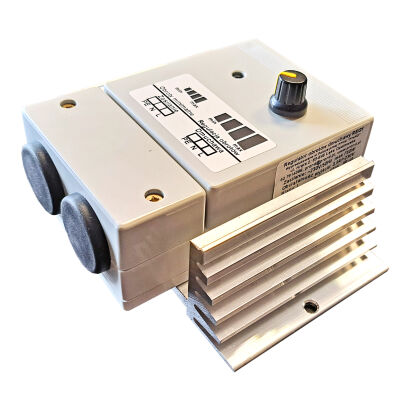
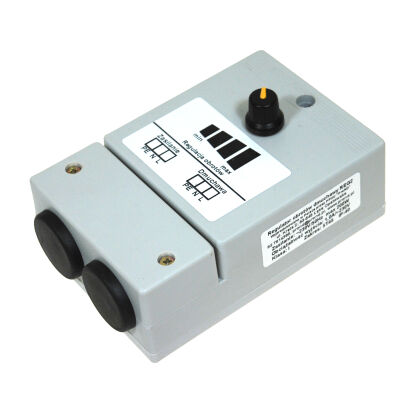
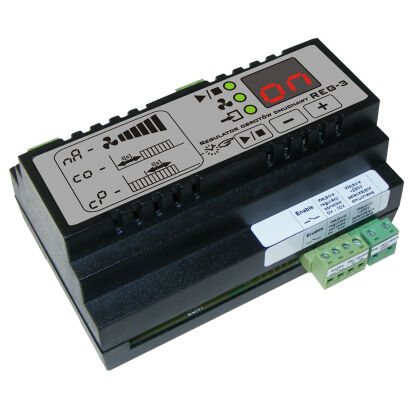
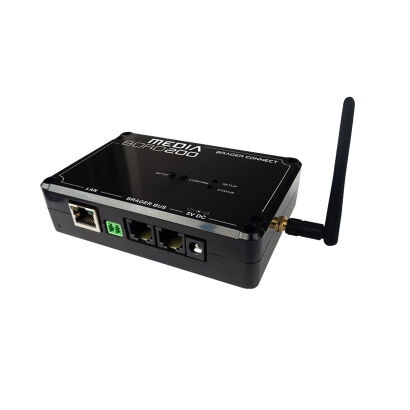
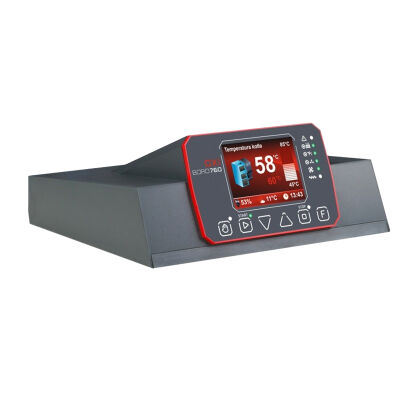
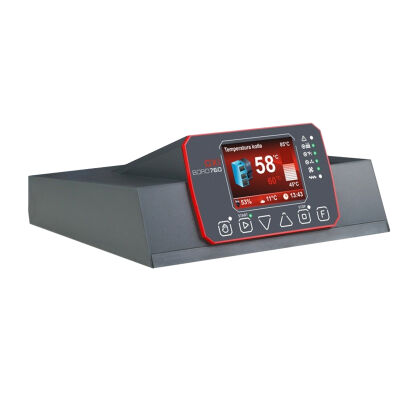
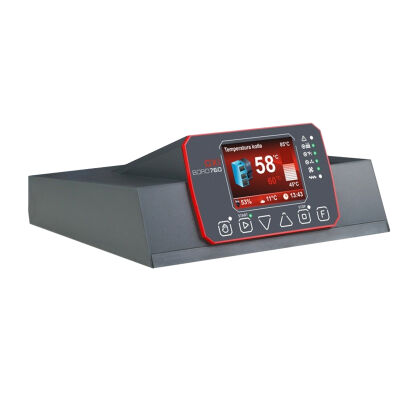
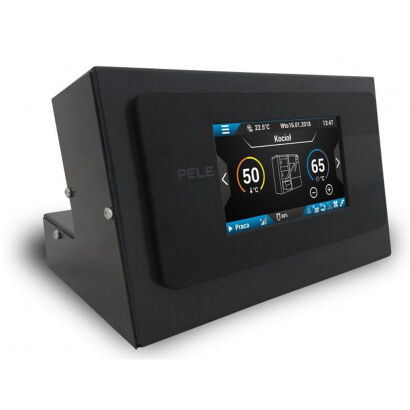
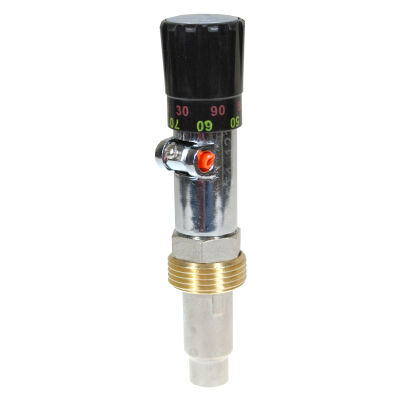
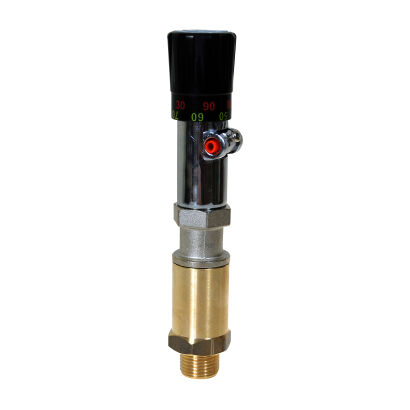
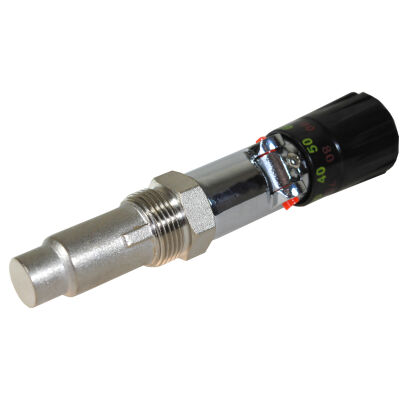
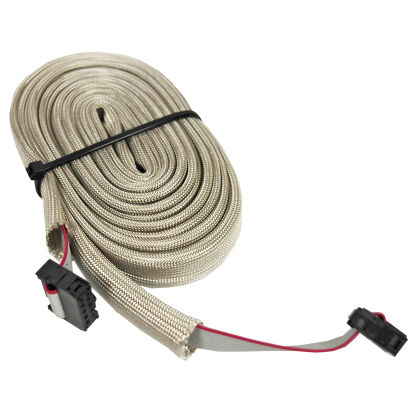
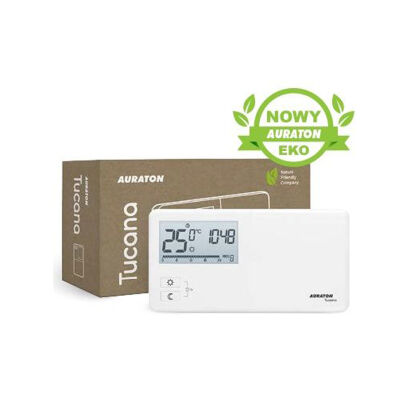
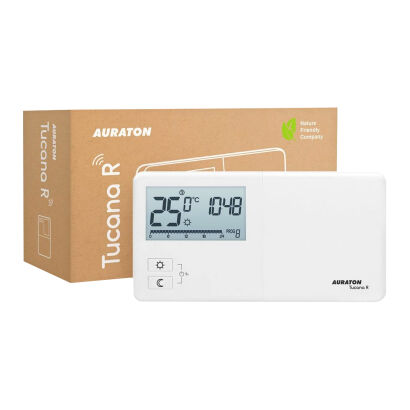
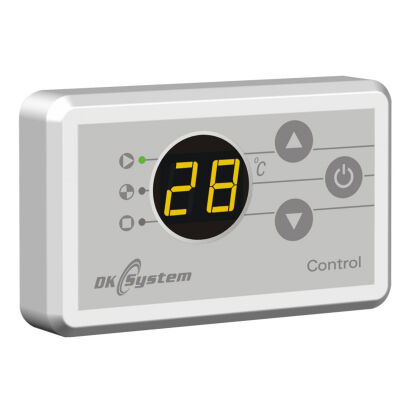
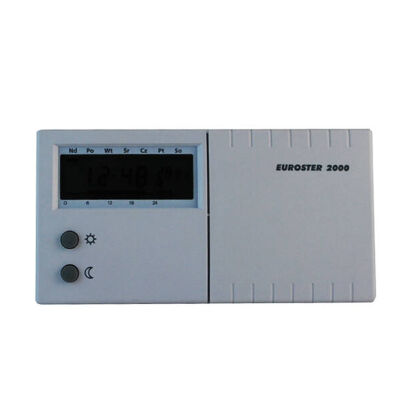
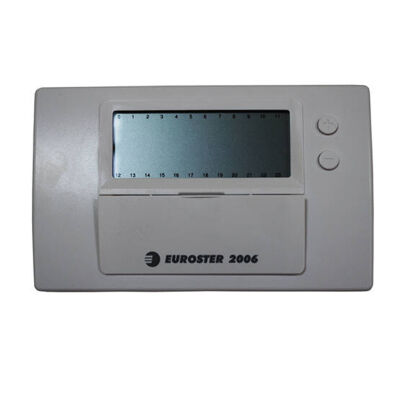
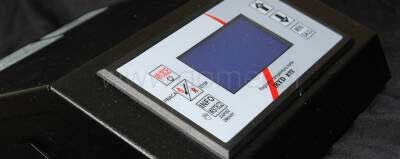
A properly selected boiler controller manages the operation of the entire boiler, not just displays the temperature. This category includes controllers for central heating boilers with screw and piston feeders, for loading boilers, and mixing valve regulators, so the selection should start with the boiler and installation design.
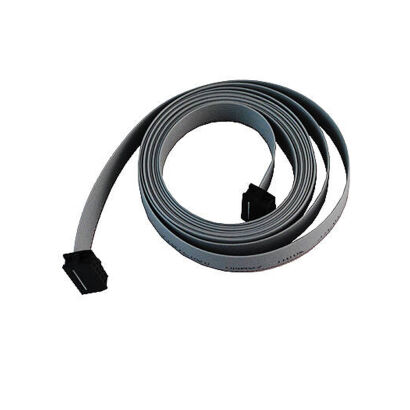
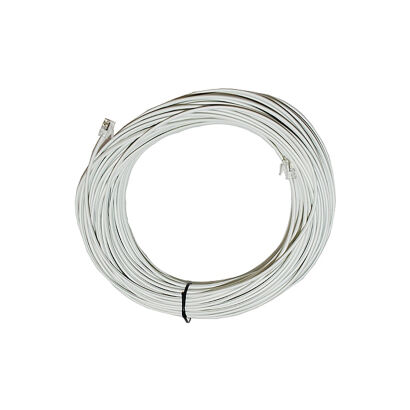
Controllers cooperate with the blower, circulation pump, fuel feeder, and domestic hot water system, and in advanced installations also with the mixer, room thermostat, and an uninterruptible power supply (UPS) that maintains operation during power outages. The Domer catalog also includes output cables, connecting tapes, weekly programmers, and safety thermostats, which facilitates replacement or expansion of heating automation.
What does a boiler controller do in the installation and how does it differ from a room thermostat?
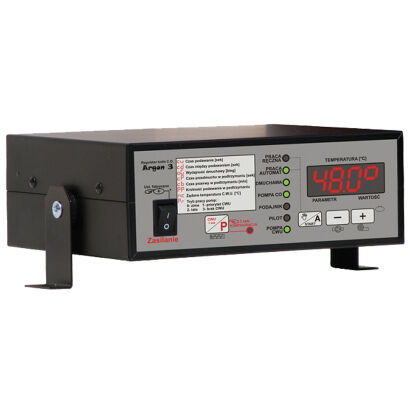
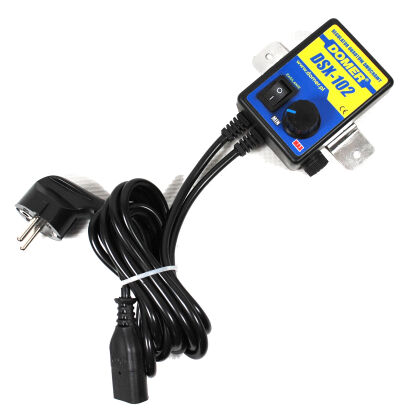
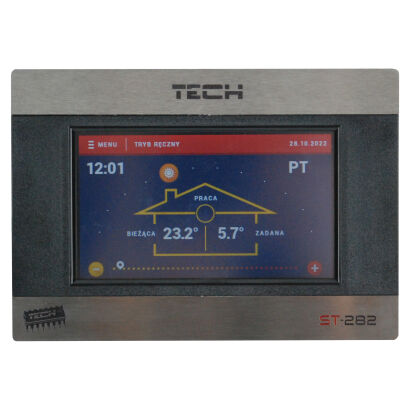
The boiler controller manages the heat source operation. It reads the temperature sensor readings, turns on the circulation pump, controls the forced draft fan and feeder, and in advanced versions also handles domestic hot water and the mixing valve.
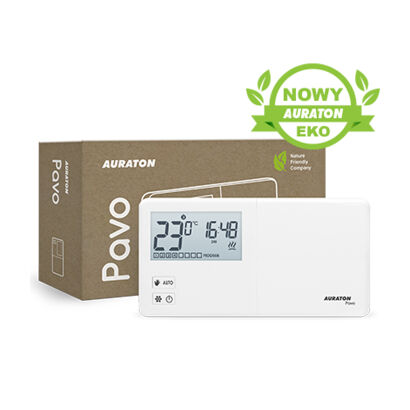
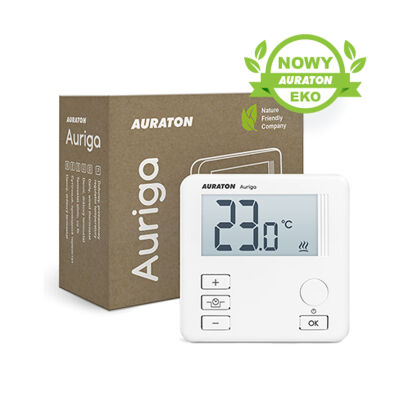
The room thermostat serves a different function. It measures the temperature in the room and sends a signal to the automation, while the central heating boiler controller is responsible for the boiler's operating logic. In practice, the central heating controller and room regulator should cooperate, not replace each other.
A modern microprocessor controller maintains the set temperature more stably than manually controlled systems. The PID algorithm automatically adjusts the draft and feeder operation, and hysteresis, i.e., the difference between the set temperature and the reactivation threshold, limits unnecessary switching.
Selecting a controller for a boiler with a feeder, loading boiler, and system with a mixer
The selection starts with the type of combustion chamber and feeder. A controller for an eco-pea coal boiler usually must support a screw feeder, forced draft fan, and at least one pump, while a controller for a boiler with a piston feeder requires compatibility with a different fuel dosing method and sometimes also support for a position sensor.
For loading and fine coal boilers, a simpler central heating boiler controller that controls the boiler temperature and pump operation is usually sufficient. If the installation has a hot water tank, a controller for both central heating and domestic hot water is needed. When a mixing valve operates in the system, a mixer regulator or a controller with its support should be considered.
Before ordering, it is worth checking:
- boiler type and feeder type
- number of outputs for central heating pump, domestic hot water pump, blower, and feeder
- type of sensors and compatibility with the room thermostat
- housing version: standard, reinforced, or for built-in installation
- layout of sockets, output cables, and connecting tapes
It is not advisable to select a controller based solely on the trade name. Full versions usually support more circuits, and even differences between variants can determine the number of pumps, presence of PID, or mounting method.
How to set the boiler controller to avoid wasting fuel?
Efficient operation starts with stable settings, not extreme draft reduction. In a central heating boiler controller, the boiler temperature and pump activation thresholds should be set according to the boiler documentation, and only then adjust the feeding time, intervals between feedings, and draft strength.
The best results come from adjusting one parameter at a time. If draft, hysteresis, and fuel dose are changed simultaneously, it is difficult to assess the effect. In PID controllers, it is best to start with the manufacturer's base settings, as the algorithm smooths temperature fluctuations and limits unnecessary drafts.
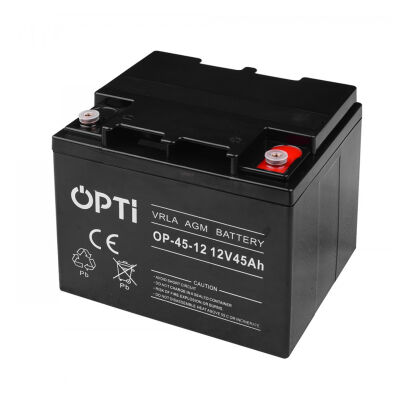
For installations operating on a daily cycle, a weekly programmer or cooperation with room regulation is useful. In systems sensitive to power outages, it is worth adding an uninterruptible power supply (UPS) that will maintain the operation of the boiler controller and circulation pump.
Features of a good and efficient central heating boiler controller
The boiler controller should ensure stable, repeatable boiler operation and have clearly described compatibility with accessories. In practice, it is worth checking whether the manufacturer provides compatibility documentation, safety certificates, and a description of protections. Temperature ranges, overheating protection, and cooperation with accessories such as emergency thermostats, basket thermostat, or mixing valve regulator also matter.
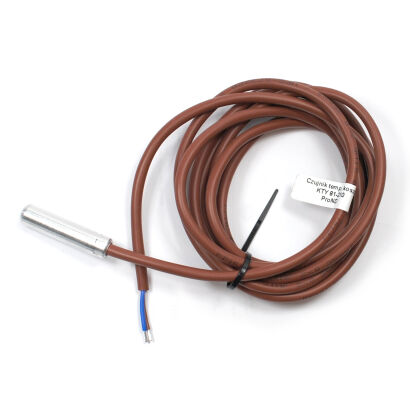
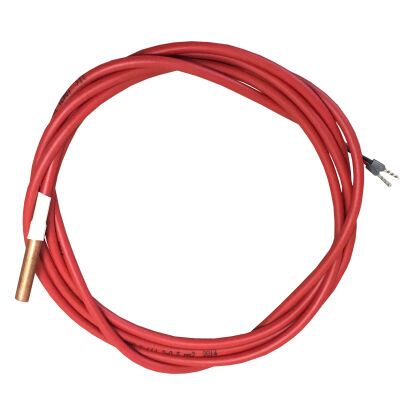
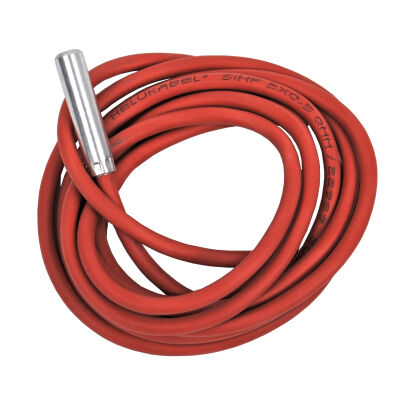
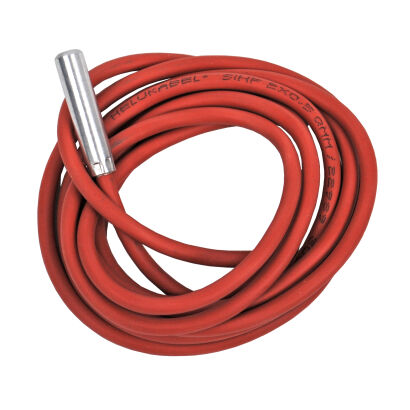
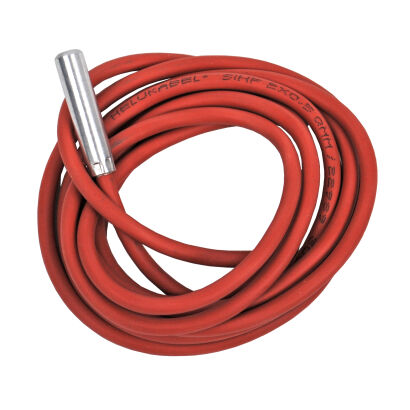
Incorrect operation is primarily indicated by instability. If the boiler operates with large temperature fluctuations, the pump activates outside the set threshold, or the feeder does not respond according to the setting, first check the temperature sensor, cables, and connections, and only then the control module itself.
When replacing, it is worth looking beyond the panel itself. Central heating boiler controllers cooperate with many auxiliary elements, so the availability of cables, uninterruptible power supplies, thermostats, and mounting parts facilitates servicing. If the boiler operates in a configuration intended for class 5 or Ecodesign, the controller's compatibility with such a system must be confirmed in the manufacturer's data.
FAQ
How does the controller cooperate with the room thermostat and can it replace it?
The controller manages the boiler operation (pumps, blower, and feeder), and the thermostat measures the room temperature and sends the appropriate signal. The devices should not replace each other — the thermostat complements the automation, and the controller implements the boiler's operating logic.
What should be considered when choosing a controller for a boiler with a feeder or mixer?
Check the type of combustion chamber and feeder (screw or piston), number of outputs for pumps, blowers, and feeder, compatibility with sensors and thermostat, support for domestic hot water, mixer regulator, and housing version and sockets.
How to set controller parameters to burn fuel economically?
Start settings based on the boiler documentation and factory values. Adjust one parameter at a time (draft, fuel dose, hysteresis). In PID controllers, start with base settings. Use a weekly programmer and UPS where needed.
 Polish
 Czech
 German
 Slovak
 Ukrainian